As our loved ones age, it’s natural for their needs to change. While many families strive to provide care and support for their elderly relatives, there often comes a time when professional elder care at home becomes necessary. Recognizing the signs that indicate the need for professional assistance is crucial in ensuring the safety, well-being, and quality of life for aging individuals. This article aims to explore five common signs that indicate it may be time to consider professional elder care at home. By understanding these signs, families can make informed decisions and provide the best possible care for their aging loved ones.
1. Introduction: Understanding the Importance of Professional Elder Care at Home
Taking care of aging loved ones is a noble undertaking, but sometimes the demands can become overwhelming. As physical and cognitive abilities decline with age, it may be necessary to consider professional elder care at home. By enlisting the help of trained professionals, you can ensure that your loved ones receive the support they need while maintaining a sense of independence and dignity
2. Changes in Physical and Cognitive Abilities
Physical Limitations
One of the key signs that it's time to consider professional elder care at home is when physical limitations become apparent. Difficulties with mobility, balance, and strength can make simple tasks like getting in and out of bed or using the bathroom challenging and potentially dangerous. A professional caregiver can assist with mobility aids, provide physical therapy exercises, and offer companionship during daily activities.
Cognitive Decline
Another common sign is the onset of cognitive decline. Memory loss, confusion, and difficulty with decision making can make it unsafe for seniors to live alone. Professional caregivers who specialize in dementia and Alzheimer's care can provide personalized support, engage in cognitive stimulation exercises, and ensure medication management to promote mental well-being.

3. Increased Dependence on Assistance
Difficulty with Activities of Daily Living (ADLs)
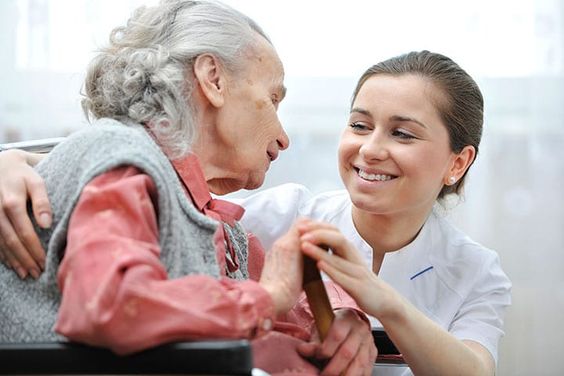
As people age, there may come a time when performing basic activities of daily living, such as dressing, bathing, and eating, become increasingly challenging. If your loved one is struggling with ADLs, it may be an indication that professional elder care at home is needed. Caregivers trained in assisting with these tasks can help maintain personal hygiene, ensure proper nutrition, and promote overall well-being.
Challenges with Instrumental Activities of Daily Living (IADLs)
In addition to ADLs, instrumental activities of daily living (IADLs) can also become problematic for seniors. These activities include managing finances, grocery shopping, cooking, and taking medications independently. When seniors start experiencing difficulties in these areas, it may be a sign that they require professional assistance. Skilled caregivers can assist with household duties, provide medication reminders, and help manage finances to ensure your loved one's well-being.
4. Decline in Personal Hygiene and Household Management
Neglected Personal Care
When personal hygiene starts to decline and basic grooming habits are neglected, it's a clear indicator that professional elder care is necessary. From bathing and oral care to grooming and dressing, caregivers can provide the necessary support to help seniors maintain their personal care routines and prevent potential health issues.
Inability to Maintain a Clean and Safe Home Environment
Another sign that professional elder care at home is needed is when the ability to maintain a clean and safe home environment becomes compromised. Clutter, dirty dishes, and neglected upkeep can create hazards and negatively impact a senior's overall well-being. Professional caregivers can assist with light housekeeping duties, ensuring a clean and organized living space that promotes safety and comfort. By recognizing the signs and reaching out for professional elder care assistance, you can ensure that your aging loved ones receive the support they need to thrive in their own homes while maintaining their independence and quality of life.
5. Frequent Medical Issues and Medication Management
Frequent Hospitalizations and Doctor Visits
Life happens, and as we get older, our bodies may need a little more TLC. But if your loved one seems to be making a second home out of hospitals and doctor's offices, it might be time to consider professional elder care at home. Frequent hospitalizations and doctor visits can be a sign that their medical needs are becoming too much for you or other family members to handle alone.
Difficulties in Managing Medications
Remembering to take medication can be challenging enough for anyone, but for older adults with multiple prescriptions, it can be downright overwhelming. If you find yourself constantly worrying about whether your loved one is taking their medications correctly, or if they're having trouble keeping track of their pill schedule, professional elder care at home could be a game-changer. Proper medication management is vital for their well-being, and having a trained caregiver can ensure that they stay on top of their medication regime.
6. Social Isolation and Emotional Well-being
Withdrawal from Social Activities
Is your loved one suddenly declining invitations to social events they used to enjoy? Are they opting to stay at home instead of going out with friends or participating in their favourite hobbies? Social isolation can have detrimental effects on an older adult's emotional well-being, causing feelings of loneliness and sadness. If you notice a significant withdrawal from social activities, it may be time to consider professional elder care at home, which can provide companionship and help your loved one stay engaged and connected.
7. Family Caregiver Burnout and Need for Respite
Physical and Emotional Exhaustion
Let's face it: caregiving can be exhausting. Whether you're juggling work, family, and caregiving responsibilities or simply feeling overwhelmed by the demands of being a primary caregiver, burnout is a real and valid concern. If you find yourself physically and emotionally drained, it's essential to recognize that you need support. Professional elder care at home can offer respite, giving you the opportunity to rest, recharge, and take care of yourself.
Need for Temporary Relief and Caregiver Support
Even superheroes need a break. Being a family caregiver is a monumental task, and no one can do it alone indefinitely. Sometimes, you just need a little help, a temporary relief to ensure you can continue providing the best care possible. Professional elder care at home can provide the much-needed support and assistance, allowing you to take a breather while ensuring your loved one is in capable hands.
8. Conclusion: Making the Decision for Professional Elder Care at Home
Deciding to bring professional elder care into your loved one's home is never an easy choice. But when you notice frequent medical issues and difficulties in medication management, social isolation and emotional well-being concerns, as well as family caregiver burnout, it may be time to consider this option. Remember, seeking professional assistance doesn't mean you're giving up. It means you're prioritizing the health, happiness, and overall well-being of your loved one, and yourself.